Follow on Google News
Todo mundo já percebeu que o digital está causando mudanças radicais nos processos adotados pelas empresas. A relevância crescente do digital não é novidade para os empresários. Os hábitos dos consumidores foram alterados e continuam sendo modificados pela transformação digital. Quanto mais jovem o consumidor, mais natural para ele realizar compras e transações eletrônicas, principalmente por meio do smartphone. Essa nova realidade tecnológica que atinge o mercado tem levado as empresas a uma revisão de processos. O objetivo não é apenas agilizar a compra, mas também facilitar a cobrança por meio de novas ferramentas digitais de localização dos devedores.
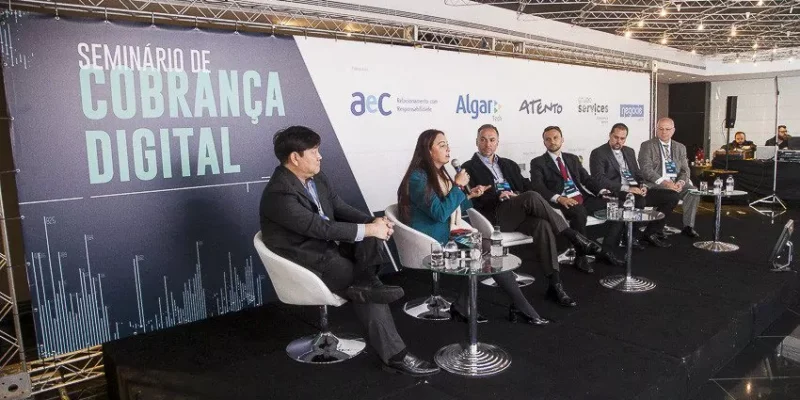
Tive a oportunidade de mediar o debate sobre a importância do meio digital na recuperação do crédito durante o Seminário Crédito Digital, realizado nesta semana em São Paulo. No debate, representantes de grandes organizações explicaram como cada uma dessas empresas está tratando esse importante assunto.
Célio Lopes, diretor de Serviços Financeiros, Celulares e Canais de Atendimento das Lojas Marisa, lembrou que é preciso entender qual o melhor canal para o cliente, e que, para essa transformação, é preciso trabalhar primeiro o mindset da organização, envolvendo inclusive os setores jurídico e de recursos humanos. É uma transformação que precisa vir de dentro para fora, porque tem empresa que contrata a plataforma para acionar os clientes, mas não deixa o funcionário entrar no WhatsApp.
Another aspect of this transformation, Marlon Brando Silva, The executive manager of Internal and External Collections at Claro said that the key to success for this project is to create alternative channels to facilitate and expand communication with debtors. And how to locate these debtors? One example he cited was social networks, especially Facebook, with attractive approach strategies for regularization. He also mentioned the challenge of mapping debtors' preferred contact channels and using this information intelligently for future contacts. This kind of openness strengthens the customer's experience with the service, as well as increasing performance with cost efficiency, he concluded.
Completing this aspect of the consumer experience, John Sato, CRO do Tribanco, acrescentou que na abordagem digital o consumidor passa a procurar ativamente resolver a situação, ao invés de ser fortemente procurado. Essa mudança de abordagem (procurar ao invés de ser procurado) aumenta muito o cumprimento dos pagamentos e diminui sobremaneira a fricção com o consumidor. Isto significa o empoderamento do consumidor.
The debate, which was also attended by Fátima Oliveira, Commercial and Product Director at Liq, from Luiz Gustavo Gava, In his speech at the meeting of the Superintendent of Recovery Strategies - Legal Entity Segment at Banco Santander, the participants highlighted two trends.
One is to do business after midnight because during the day you work and don't have time. And the second concerns fintechs, which are rapidly taking on an increasingly important role in this scenario. digital billing. Fintechs, in fact, were born with this DNA. They were created in this environment and operate in it with skill. They are therefore ahead of the banks, which have only recently begun to use digital more forcefully in terms of innovation.
Thanks for reading! Access other content at ANBC website.

Por: Elias Sfeir Presidente da ANBC & Membro do Conselho Climático da Cidade de São Paulo & Conselheiro Certificado