Follow on Google News
The issue of financial education has emerged strongly in recent years, driven by civil society organizations and government bodies. A necessary part of this theme is the financial education of micro and small entrepreneurs, which has a specific scope, divided between operational activities and business management activities, which are just as important as the former.
Financially healthy micro and small businesses have a better chance of surviving and growing, generating jobs and income. From the bakery to the mechanic's shop, from the barber's to the neighborhood gym, these businesses are everywhere. A SEBRAE estimate based on CAGED data showed that micro and small companies created eight out of ten formal jobs by 2023.
Running a business is a daily challenge. Entrepreneurs have to be ready to take risks, deal with economic fluctuations, increased competition, legal uncertainty and all the bureaucracy that demands hours of work. Even when delivering an excellent product or service, the financial health of a business can be compromised by management failures. In large companies, functions are divided into departments, which is not always possible in smaller structures. In these cases, it is essential that the entrepreneur has notions of pricing, cash flow management and even tax planning, even if they can rely on occasional consultancies.
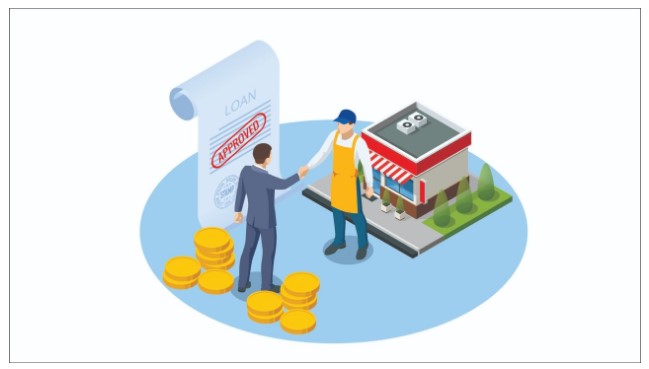
Another important competence concerns fundraising. As we have already discussed in this space, specialized literature points to a “gap” in the supply of financial resources to smaller companies, which leads many of these entrepreneurs to use only their own resources. The lack of credit limits investment and business turnover. Some practices can make management more efficient and facilitate access to financial resources under fairer conditions.
Financial education for small businesses should focus on three pillars: 1) Individuals: Much has been said about the importance of separating the financial management of individuals from the financial management of legal entities. Financial resources should be separated into individuals and companies, with separate management. Little is said, however, about how the personal history of the entrepreneur and partners affects the perception of business risk, especially for the purposes of credit analysis. It is therefore essential for the entrepreneur to adopt, as an individual, educational habits that will reverberate on the company's side, such as maintaining a good payment history, knowing their credit rating and updating registration data.
2) Good business management: this includes financial routines, such as cash flow management, financial planning and strategic decisions for the company. To help with these tasks, micro and small entrepreneurs can count on the support of entities such as SEBRAE and CNI, which have a recognized track record in training entrepreneurs in a wide variety of areas and have a wide regional reach.
3) Credit: for this purpose, the company's history is just as important as that of the individual. Surveys conducted by the National Association of Credit Bureaus (ANBC) show that Brazilians are becoming increasingly aware of the importance of credit scores. This instrument is also available for legal entities, gathering important information about the company that can be easily consulted through credit bureaus. The Positive Registry, which is now five years old, is another instrument for assessing the creditworthiness of companies borrowing funds. Of the MSEs registered in the positive register, around 60% have increased their credit rating, leading to better credit conditions.
Knowing the differences between the types of credit and being clear about the purpose of the loan or financing is also essential for the company to make a good decision. There are lines of credit for working capital, investment, corporate credit card limits, subsidized and market rates. Another highlight are government programs such as Acredita, Pronampe, Fampe and Crédito Brasil Empreendedor. The resources of the National Support Program for Micro and Small Entrepreneurs (Pronampe), for example, can be accessed by companies with a turnover of up to R$ 4.8 million and offer a grace period for payments, as well as a lower than average cost.
In the credit pillar, it's important to remember that companies can be borrowers at one end and lenders at the other. In the first case, the company that makes information available to the market is able to ask for fairer credit conditions. In the second case, it is the company that uses this information to reduce the risk of its credit exposure. Credit portfolio management, using credit recovery tools, is also part of this credit chain.
The debate on financial inclusion must consider the role of micro and small businesses, given their economic potential. This inclusion must be underpinned by financial education, preparing entrepreneurs for business management and for obtaining credit in order to enable business growth. The Credit x GDP ratio is 54% in Brazil and in the United States this ratio is around 200%, showing us the potential for credit growth in Brazil. In the next article, we'll show you the size of the credit market for MSEs and how this segment can increase the current credit-to-GDP ratio.
Thanks for reading! Access other content at ANBC website.

President of ANBC - National Association of Credit Bureaus. Representative of Latin America in the World Bank Credit Committee. He also represents Brazil and Latin America in credit organisations accross the world, such as ACCIS, BIIA and ALACRED.